Tu Ke Bivas
New York Ladino Day

January 11, 2026

Welcome to the New York Ladino Day photography exhibit. This audio guide includes a selection of images from the Tu Ke Bivas series.
Delve into the details and symbolism of Behar’s creative practice and hear from curators and artists speak about her photographs.

This tour includes text transcripts and detailed audio descriptions of the photographs for visitors who are blind or have low vision.

An older woman, (the artist’s mother), is facing the camera, in front of a gray background. She is wearing a dark blue dress. One hand sits on her lap while the other holds up a photograph in a gold frame, completely blocking her face.

L’Dor V’Dor, 2023

(From Generation to Generation)

Hear more about the symbolism of L’Dor V’Dor
Hear a description of L'Dor V'Dor for visitors who are blind or have low vision.

Alfinete de Seguridad, 2023

(Fasten)

Hear a description of Alfinete de Seguiridad for visitors who are blind or have low vision.

Konsejos de Vida, 2022

(Life Lessons)

Hear Becky Behar talk about Ladino and their proverbs along with Edith Razon speaking in Ladino.
Hear a description of Konsejos de Vida for visitors who are blind or have low vision.

Nazar No!, 2022

(No Evil Eye!)

Hear more about the symbolism of the evil eye.
Hear a description of Nazar No! for visitors who are blind or have low vision.

Tradisyones Orales, 2021

(Oral Traditions)

Hear a description of Tradisyiones Orales for visitors who are blind or have low vision.

Annáv, 2022

(Modesty)

Hear a description of Annáv for visitors who are blind or have low vision.

Tehilim, 2023

(Prayer)

Hear a description of Tehilim for visitors who are blind or have low vision.

Bendichas Manos, 2023

(Blessed Hands)

Hear a description of Bendichas Manos for visitors who are blind or have low vision.

Sedaka, 2023

(Charity)

Hear more about the symbolism of sedaka.
Hear more about coffee cup readings.
Hear a description of Tzedakah for visitors who are blind or have low vision.

Mazalosa, 2022

(Fortunate)

Hear a description of Mazalosa for visitors who are blind or have low vision.

Fadaryo i Fortuna, 2023

(Fate & Fortune)

Hear more about the Hebrew calendar
Hear a description of Fadaryo i Fortuna for visitors who are blind or have low vision.

Enraigado, 2023

(Rooted)

Hear more about the symbolism of the rue plant found in this photograph.
Hear a description of Enraigado for visitors who are blind or have low vision.

Afikoman, 2023

(Found)

Hear more about the symbolism of Matzoh
Hear a description of Afikoman for visitors who are blind or have low vision.

Topo Remedio, 2023

(Found Remedy)

Hear a description of Topo Remedio for visitors who are blind or have low vision.

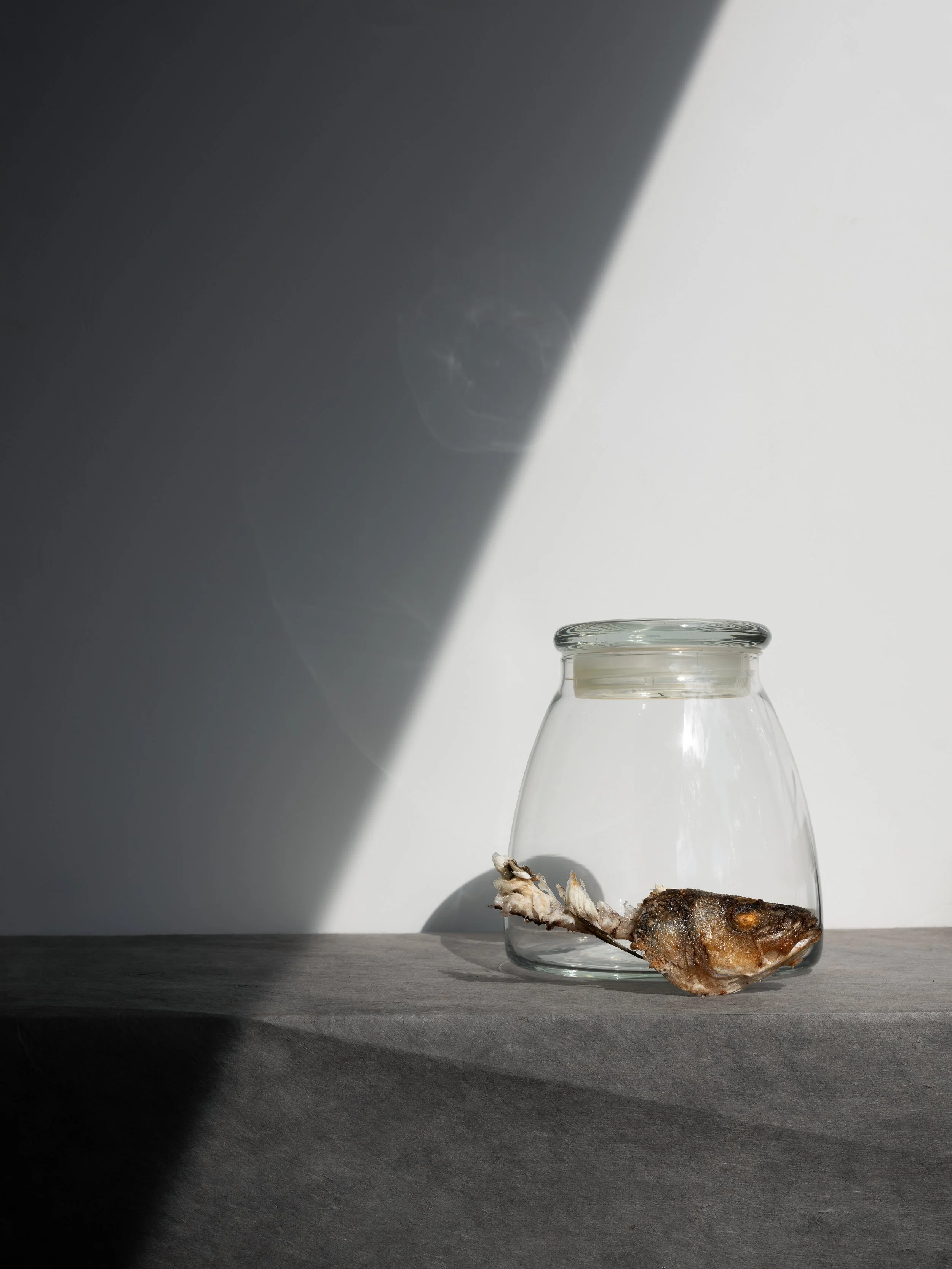
Pishkado, Pishkado, 2022

(Fish Out of Water)

Hear more about the symbolism of eating fish during the Jewish New Year.
Hear a description of Pishkado, Pishkado for visitors who are blind or have low vision.

Yerva Buena, 2022

(Good Herb)

Hear more about the symbolism of mint leaves.
Hear a description of Yerva Buena for visitors who are blind or have low vision.

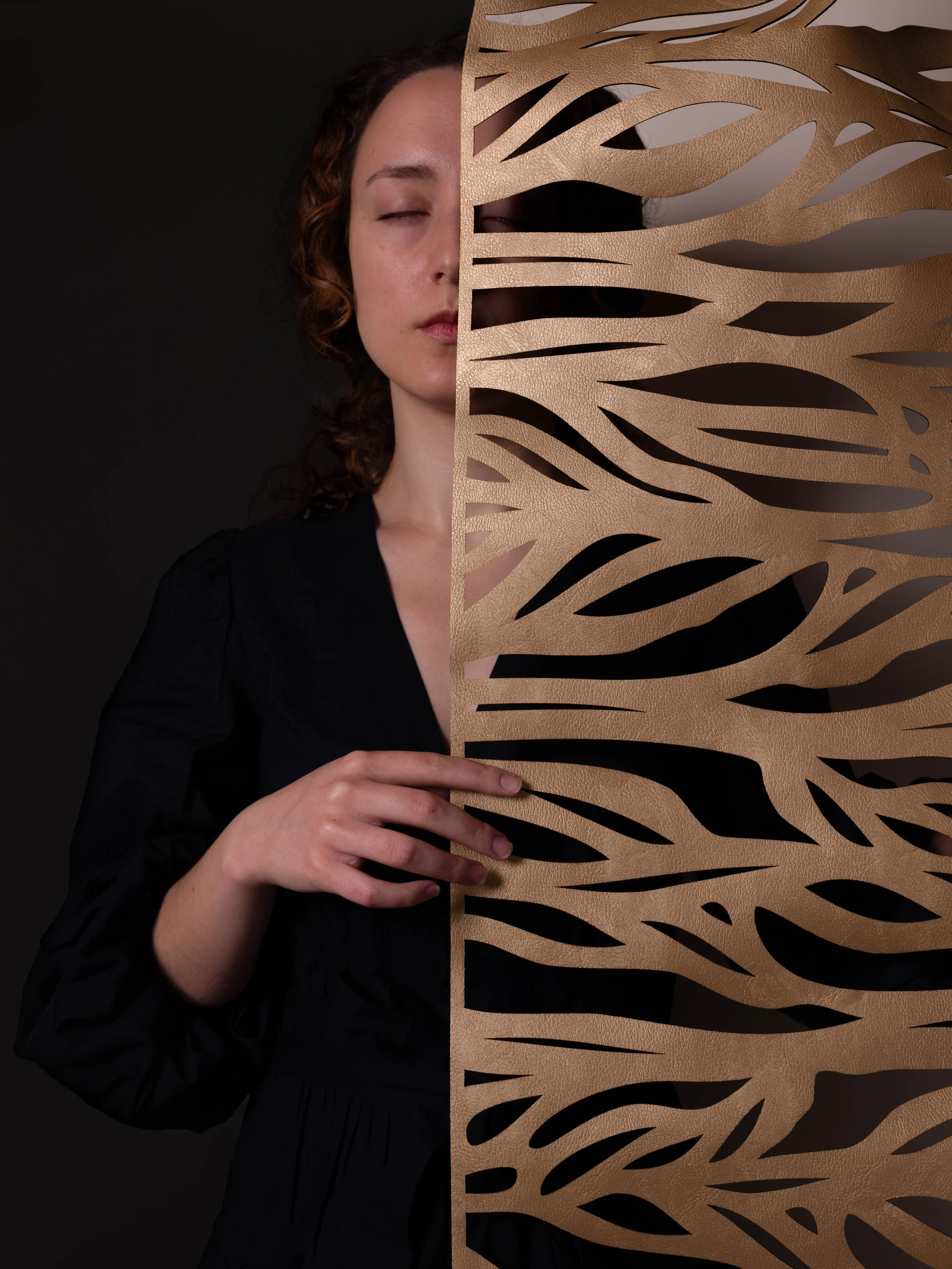
Mehitzah, 2021

(Divided)

Hear a description of Mehitzah for visitors who are blind or have low vision.

Damgua Dulce, 2022

(Sweet Imprint)

Hear from Emily Belz, independent photographer, educator and curator.
Hear more about the Ma’amoules cookies in the photograph.
Hear a description of Damgua Dulce for visitors who are blind or have low vision.

Espina, 2022

(Spine)

Learn more about the symbolism of Sephardic keys.
Hear a description of Espina for visitors who are blind or have low vision.

Credits:
Special thanks to:
Emily Belz, independent photographer, educator and curator
&
Speakers
Edith Razon, who provided a sample of Ladino language
Emma Stewart, the 2023-2024 Louise Weinberg Intern at the Brandeis University, Women’s Studies Research Center. Emma wrote and recorded the audio descriptions of the photographs as well as the additional recordings that provide further information about the Sephardic symbolism.